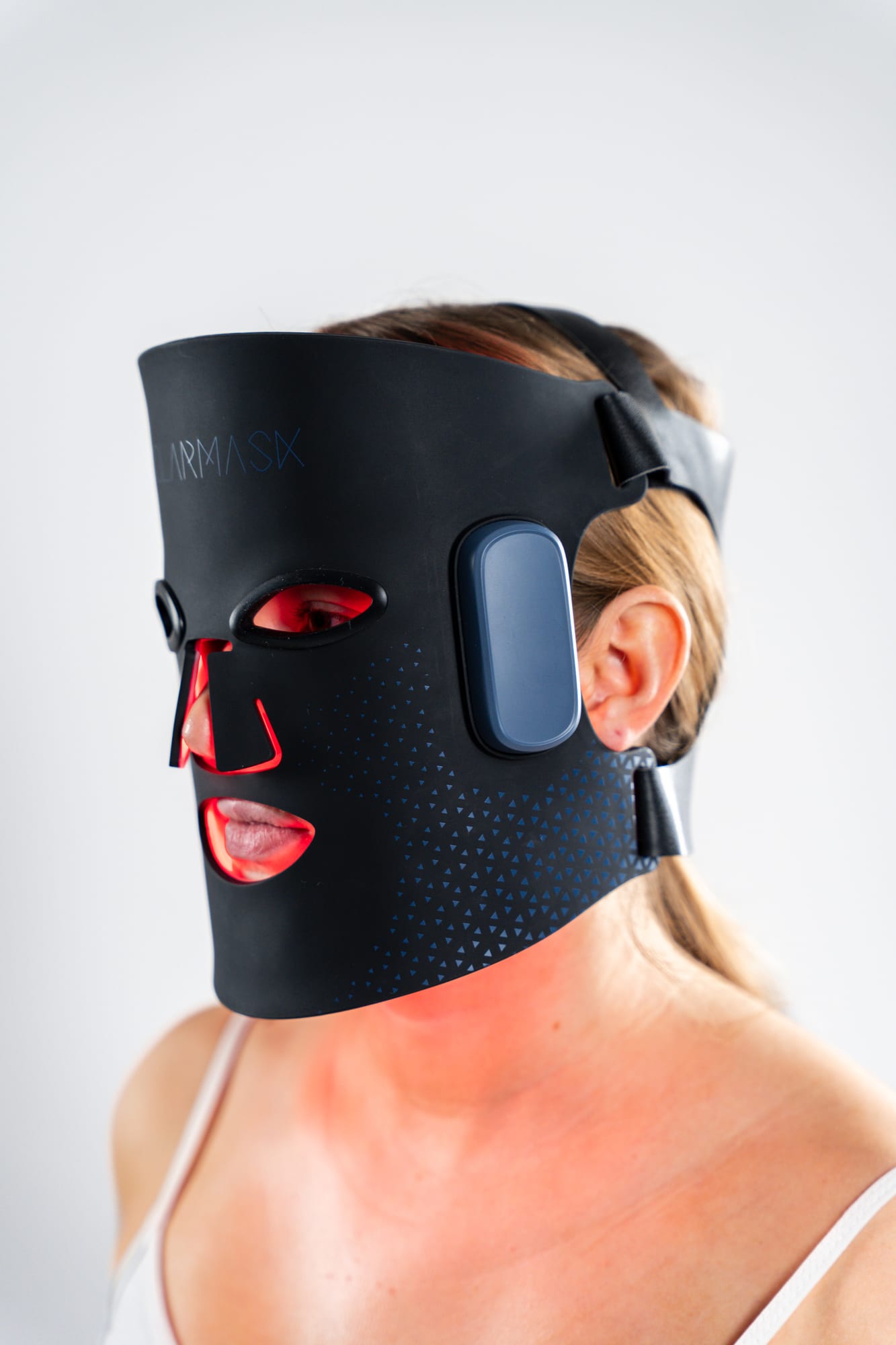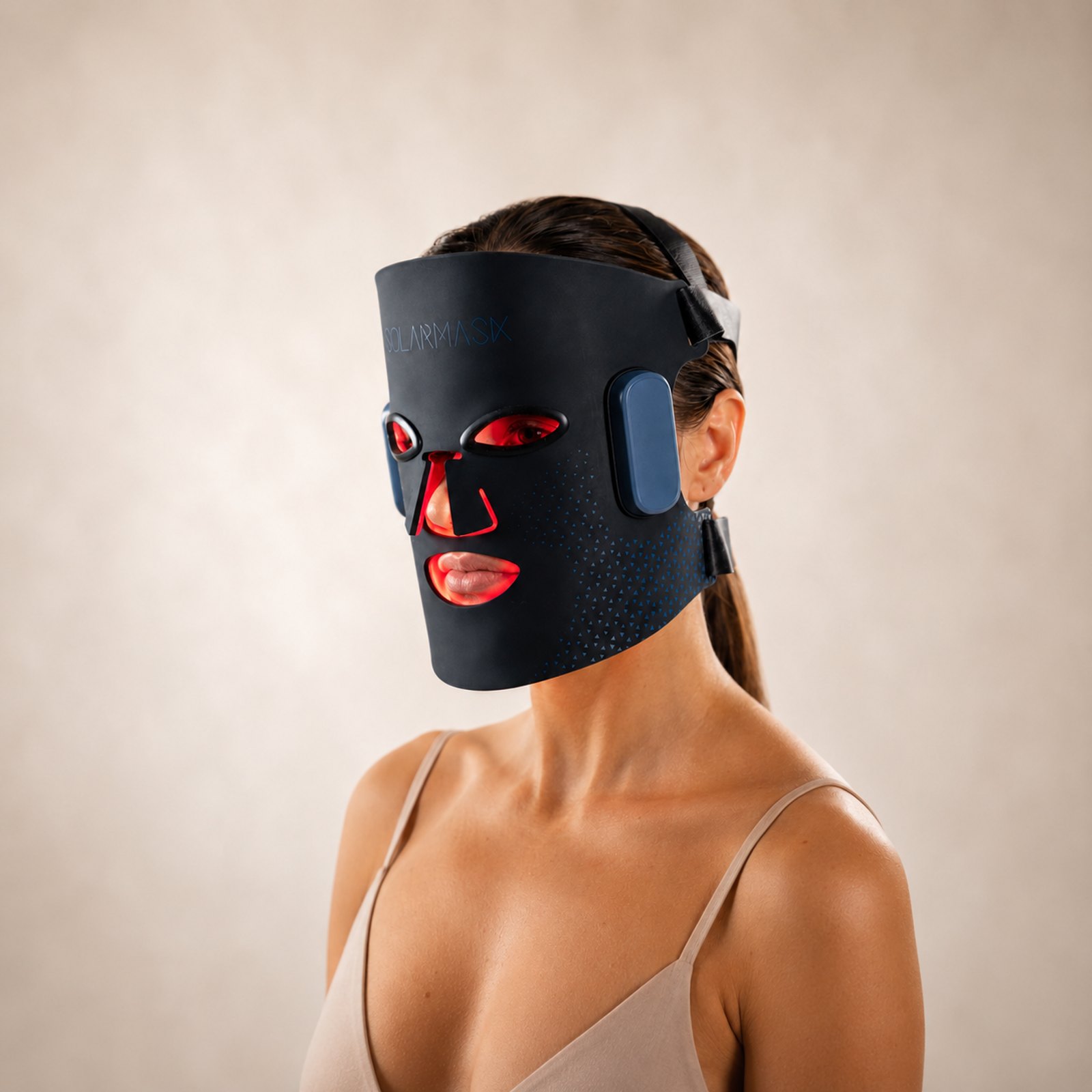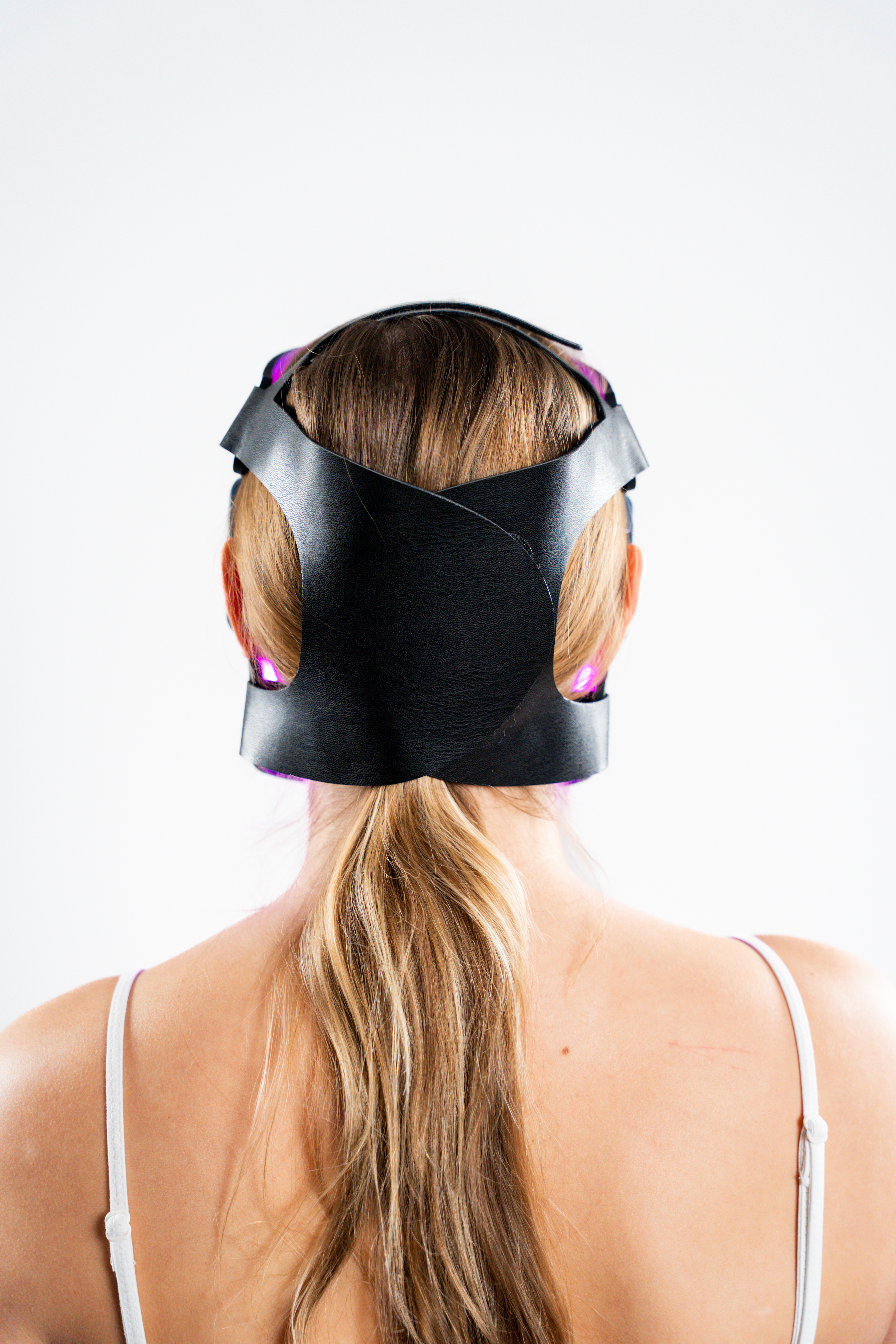
How often, for how long and when? The ideal usage schedule for your LED mask: 3–5 times a week, 15 minutes per session — plus what you can realistically expect.
- Optimal: 3–5 sessions per week for the first 4–6 weeks, then 1–2 times a week for maintenance
- Session duration: 15 minutes — SolarMask has a built-in auto-timer, so it switches off automatically
- More is not better: using it for longer or more often than recommended does not produce any additional results
- Consistency is the most important factor; results build up cumulatively
- First effects often visible after 2–4 weeks, clear improvement after 8–12 weeks
The most frequently asked question about LED masks: how often should I actually use it? The good news is that the schedule is simple and short. It’s not about long or daily sessions, but about consistency over a few weeks.
The optimal schedule
This schedule works for most skin goals. You can read the detailed rationale for each wavelength in the science behind light therapy.
Why consistency beats intensity
LED therapy works cumulatively: each session provides a small boost, and these boosts build up. Four short sessions a week, for twelve weeks, yield better results than seven sessions in one week followed by nothing. So make it a fixed part of your evening routine.
More is not better. Due to the so-called biphasic dose response, treating for longer or more frequently than recommended does not provide any additional benefit.
How long per session?
15 minutes is the standard. The SolarMask has a fixed 15-minute auto-timer, so you’ll never treat for too short or too long a time — it switches off automatically. Any less than 10 minutes is usually insufficient for the desired dose; much longer than 20 minutes adds no benefit.
When will you see results?
- ✓ Calmer, more radiant skin
- ✓ For acne: less redness and inflammation
- ✓ Visible improvement in texture
- ✓ Smoother skin
- ✓ Measurable improvement in wrinkles, acne or pigmentation, depending on the selected setting
Results vary depending on the individual, skin type and consistency.
Tailor the schedule to your goal
The basic schedule remains the same; choose the colour setting based on your goal:
- Anti-ageing and wrinkles? Read about red light (630 nm)
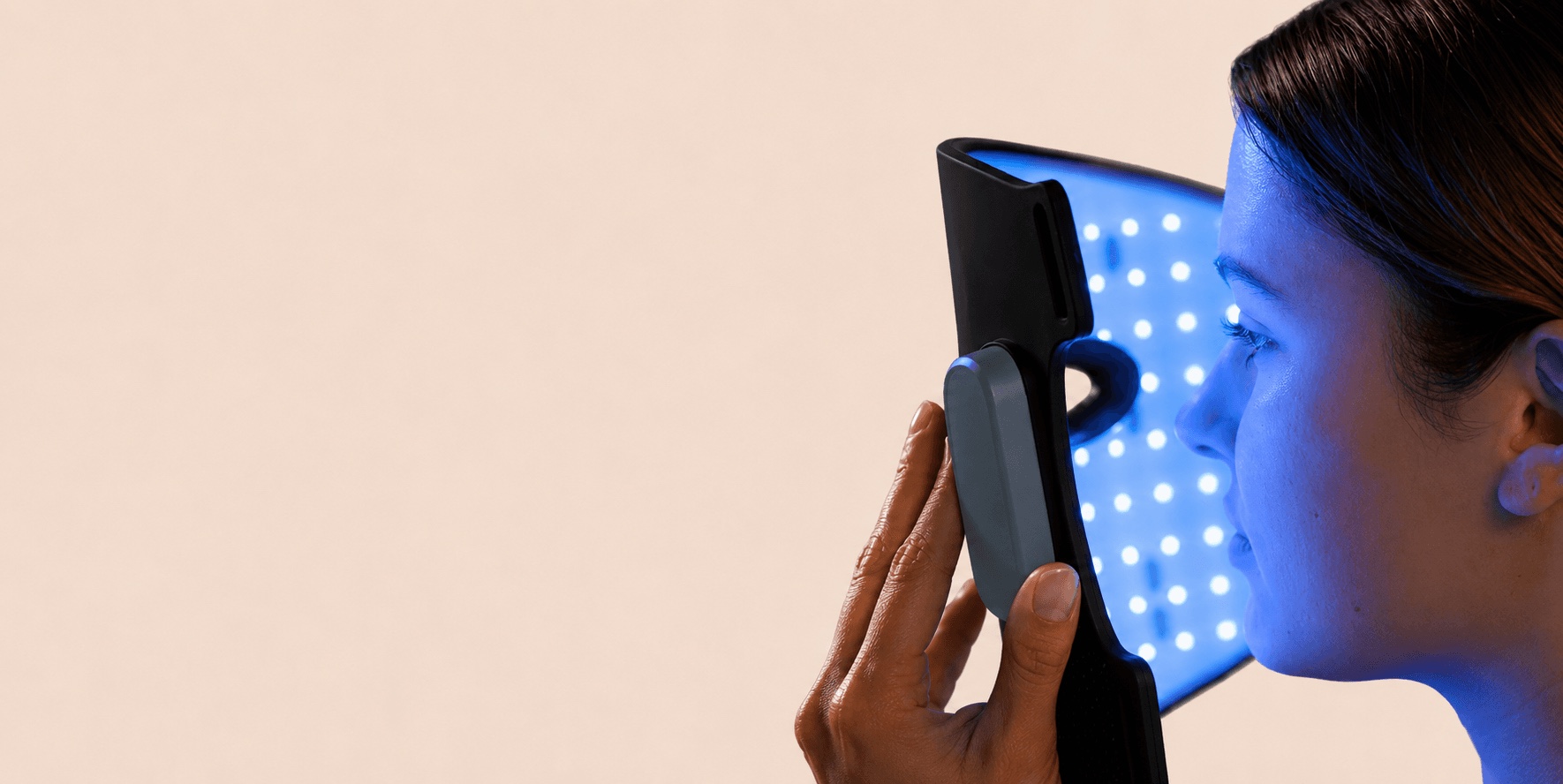
- Acne and blemishes? Read about blue light (450 nm)
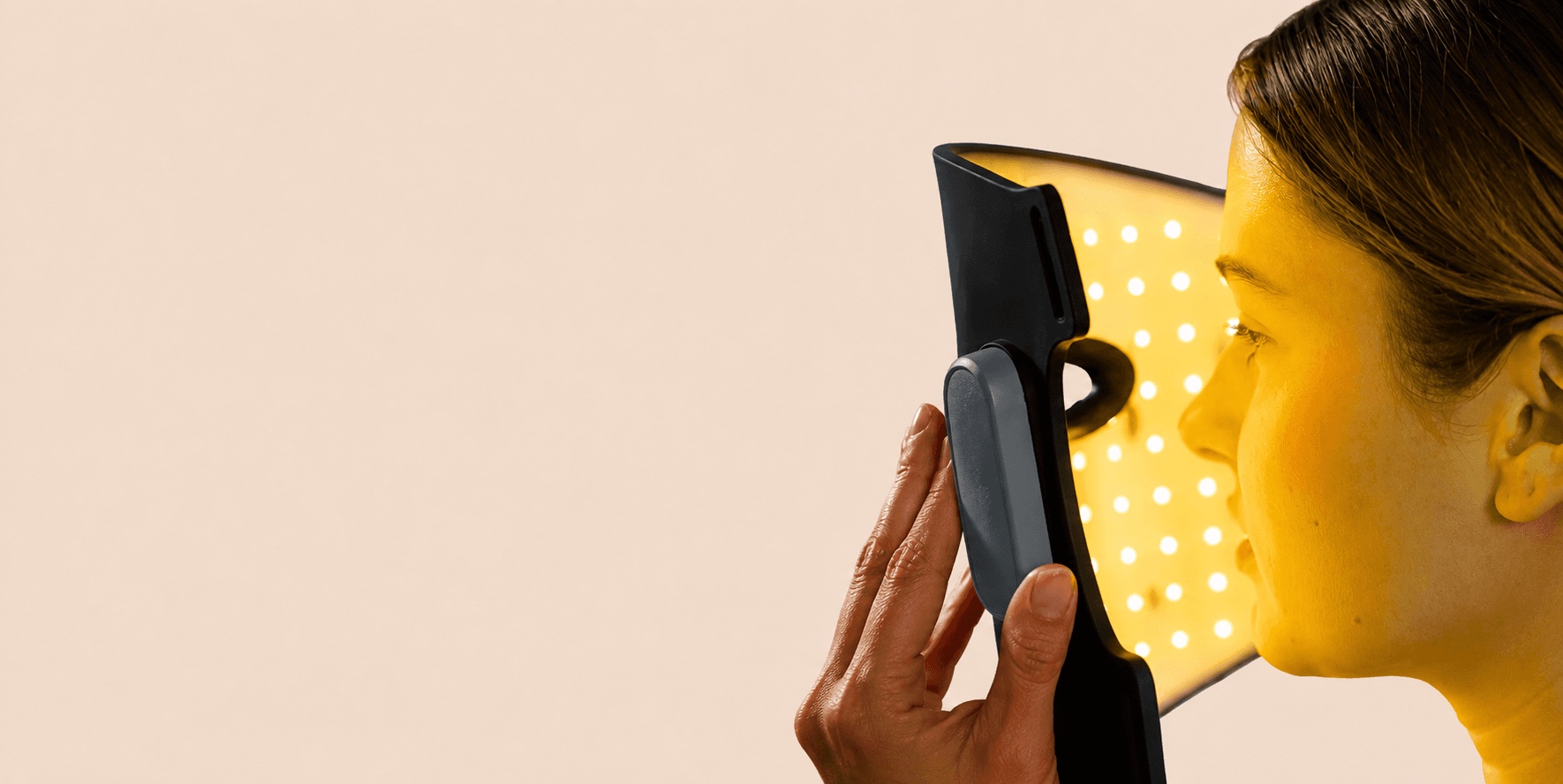
- Sensitive or red skin? Read about yellow light (580 nm)
The SolarMask device features all five wavelengths in a single unit, so you can easily switch between modes depending on your goal.
Frequently asked questions
Can I use my LED mask every day?
You can, but you don’t have to. 3–5 sessions of 15 minutes per week in the first 4–6 weeks give the best results; after that, 1–2 times a week is sufficient for maintenance.
How long does a single session last?
15 minutes. SolarMask has a built-in auto-timer and switches off automatically, ensuring you stick to the correct dose.
Does using it more often speed up the results?
No. Due to the biphasic dose response, more treatments do not yield additional results. Consistency over weeks counts, not the intensity per day.
When can I expect to see results?
The first effects are often visible after 2–4 weeks; noticeable improvement usually comes after 8–12 weeks of consistent use.
Short and consistent wins: 3–5 times a week, 15 minutes, for a few weeks. With the SolarMask’s fixed auto-timer, you don’t have to worry about a thing — put it on, relax, done.
Would you like to give this a go yourself?
The SolarMask LED Mask — all five wavelengths
Professional light therapy for home use. One mask, five treatments, 15 minutes per session. CE-certified.
View the mask →Esmee writes about skincare, LED light therapy and the science behind SolarMask. Any questions? Please email contact@solarmask.eu.
 Recommended by Dr. Farah MacDonald — physician & skin specialist
Sources & scientific studies
- Wunsch A, Matuschka K (2014). A controlled trial to determine the efficacy of red and near-infrared light treatment in patient satisfaction, reduction of fine lines, wrinkles, skin roughness, and intradermal collagen density increase. Photomedicine and Laser Surgery.
- Avci P et al. (2013). Low-level laser (light) therapy (LLLT) in skin: stimulating, healing, restoring. Seminars in Cutaneous Medicine and Surgery.
- Hamblin MR (2017). Mechanisms and mitochondrial redox signaling in photobiomodulation. Photochemistry and Photobiology.
- De Arruda Vidal C et al. (2020). LED phototherapy for facial rejuvenation. Journal of Cosmetic and Laser Therapy.
Medical disclaimer: This article is for informational purposes only and does not constitute medical advice. LED light therapy supports the skin but does not cure conditions; results vary from person to person. If you are pregnant, taking light-sensitive medication or have a skin condition, please consult your doctor first.