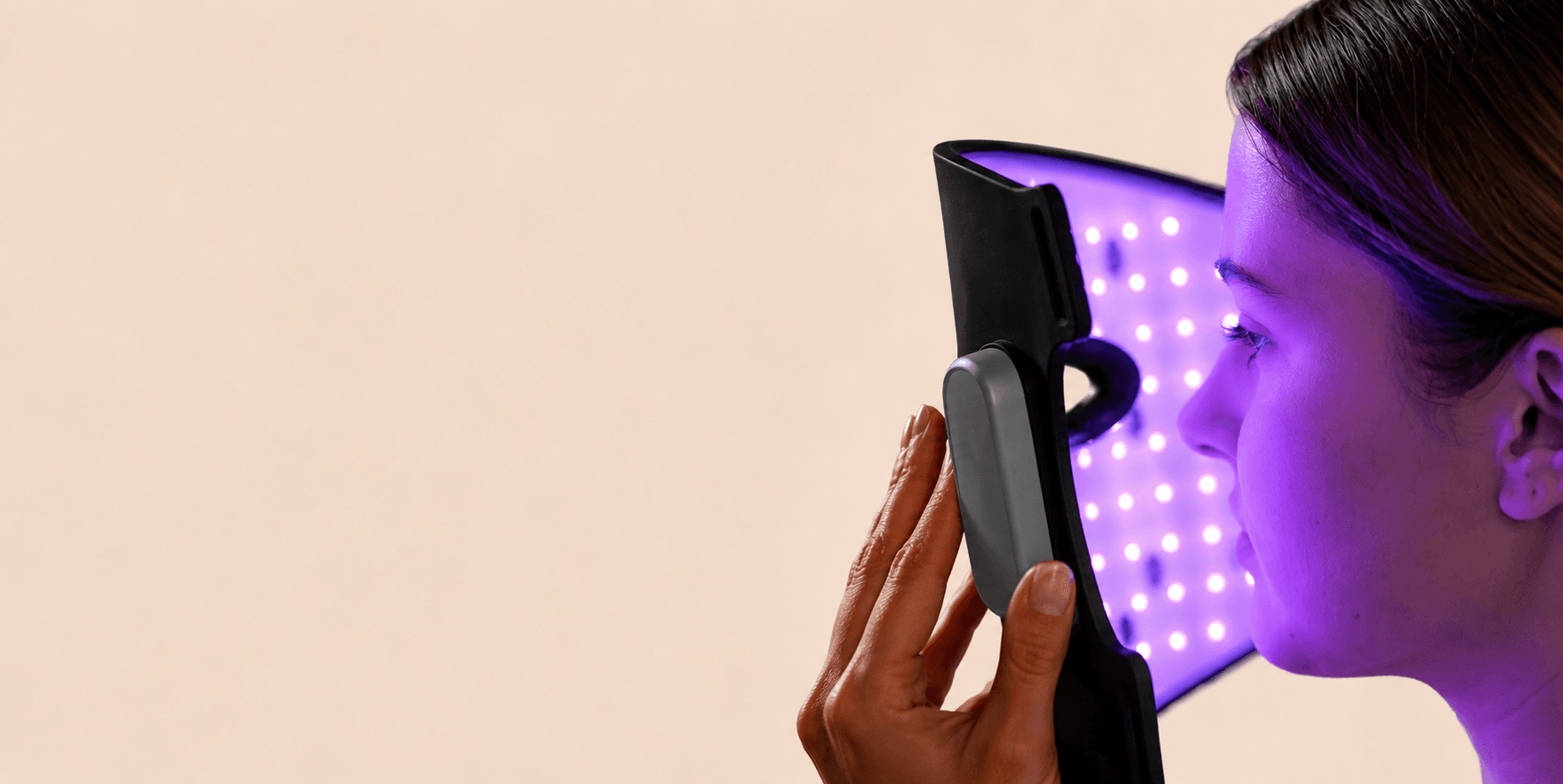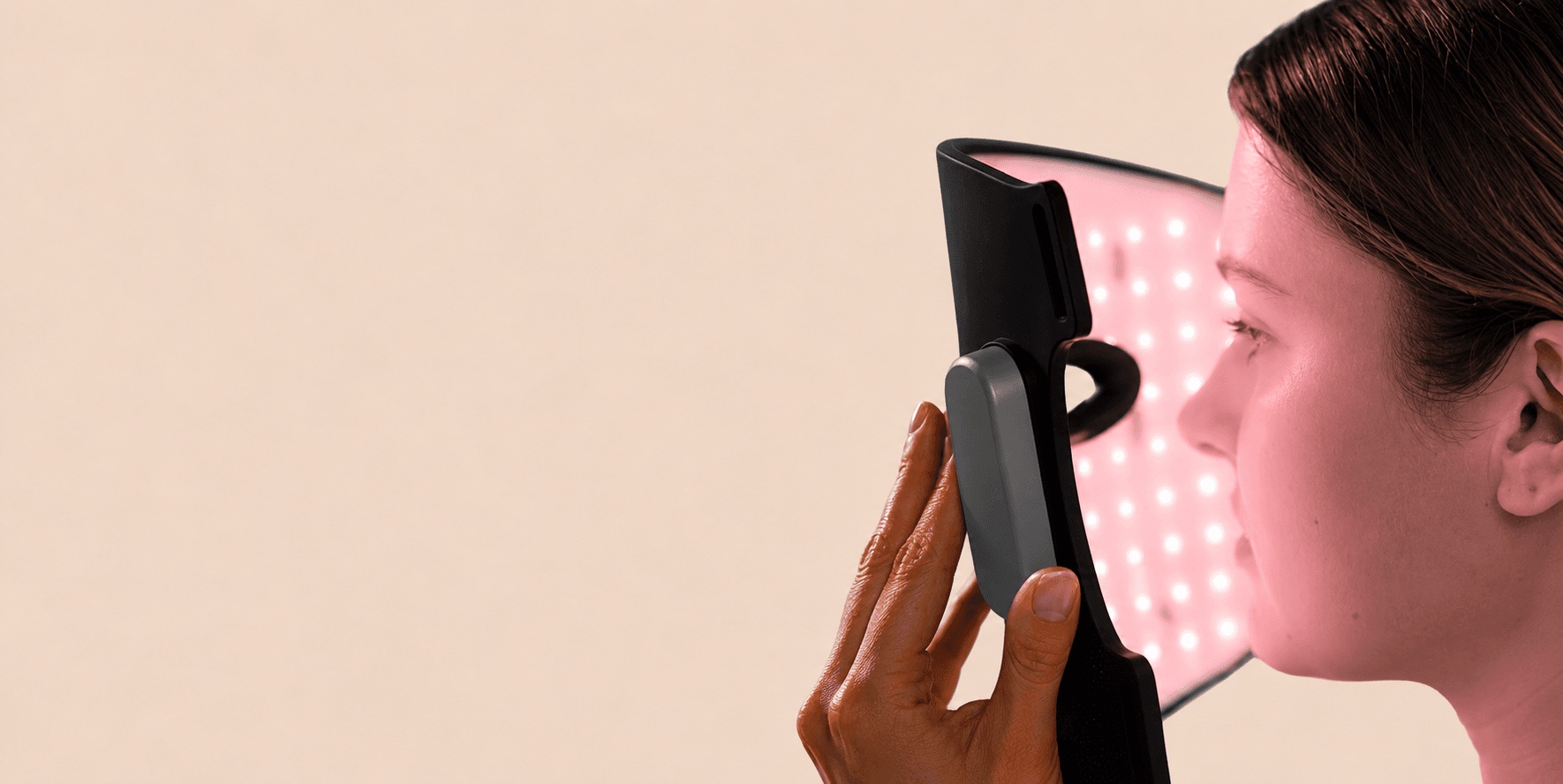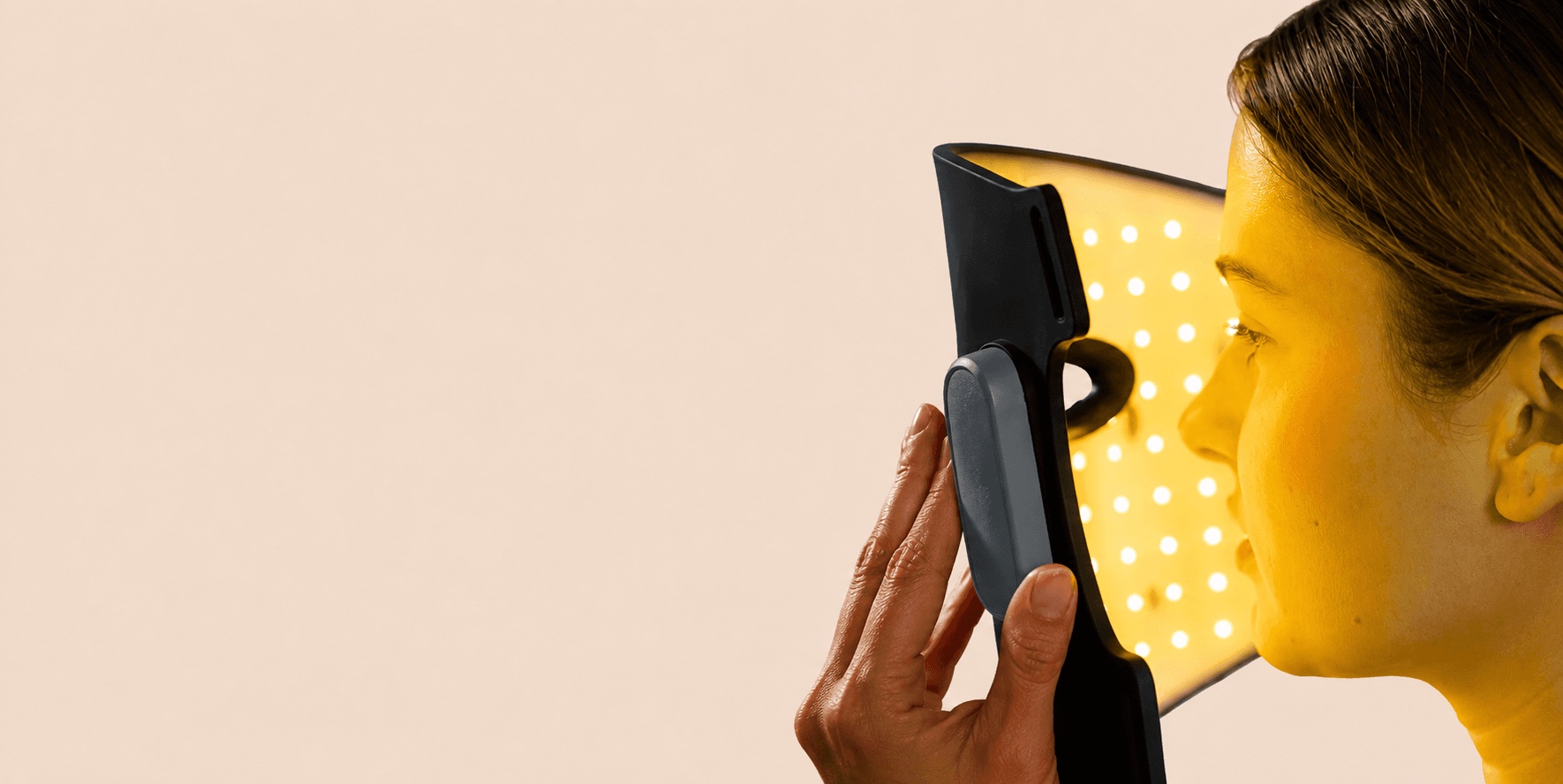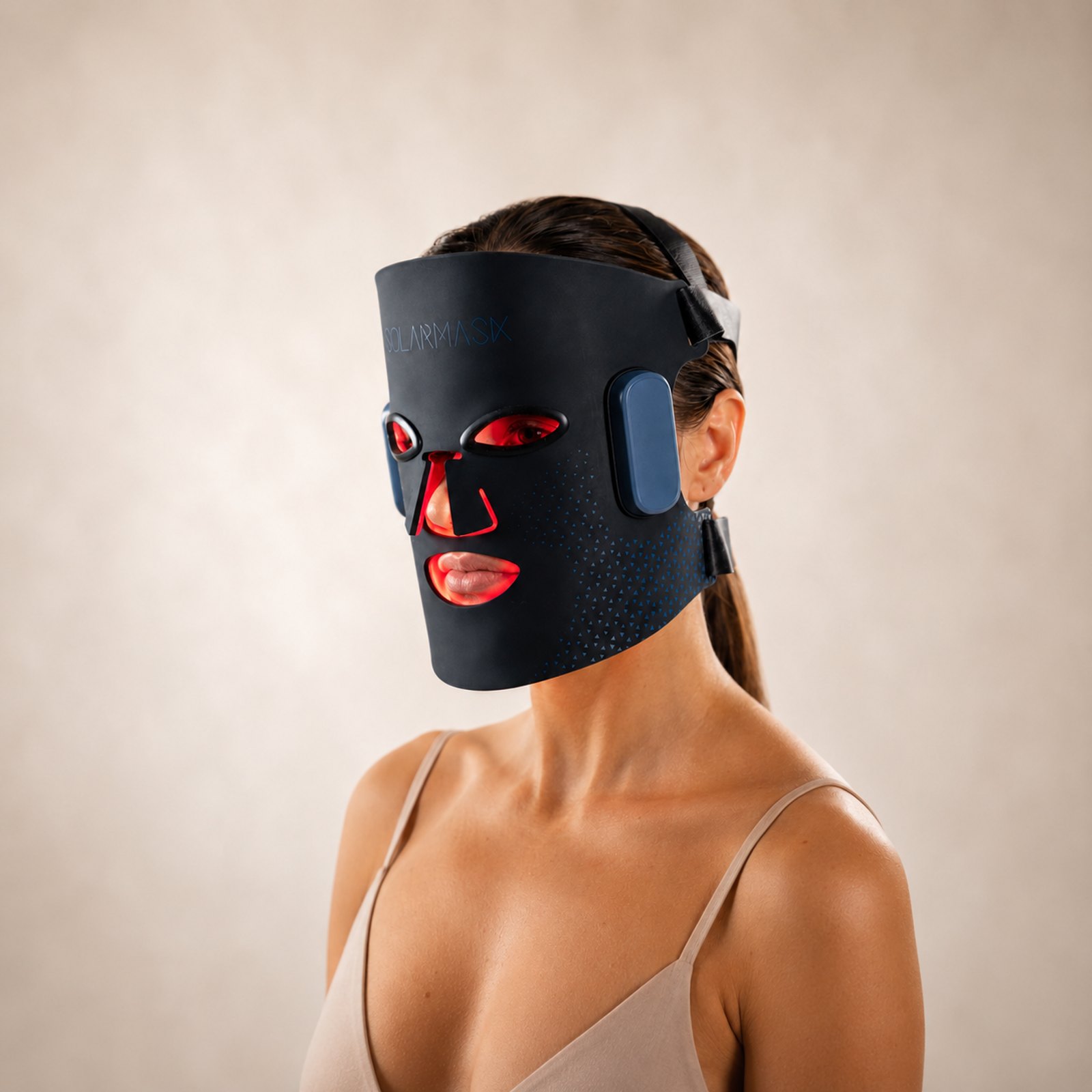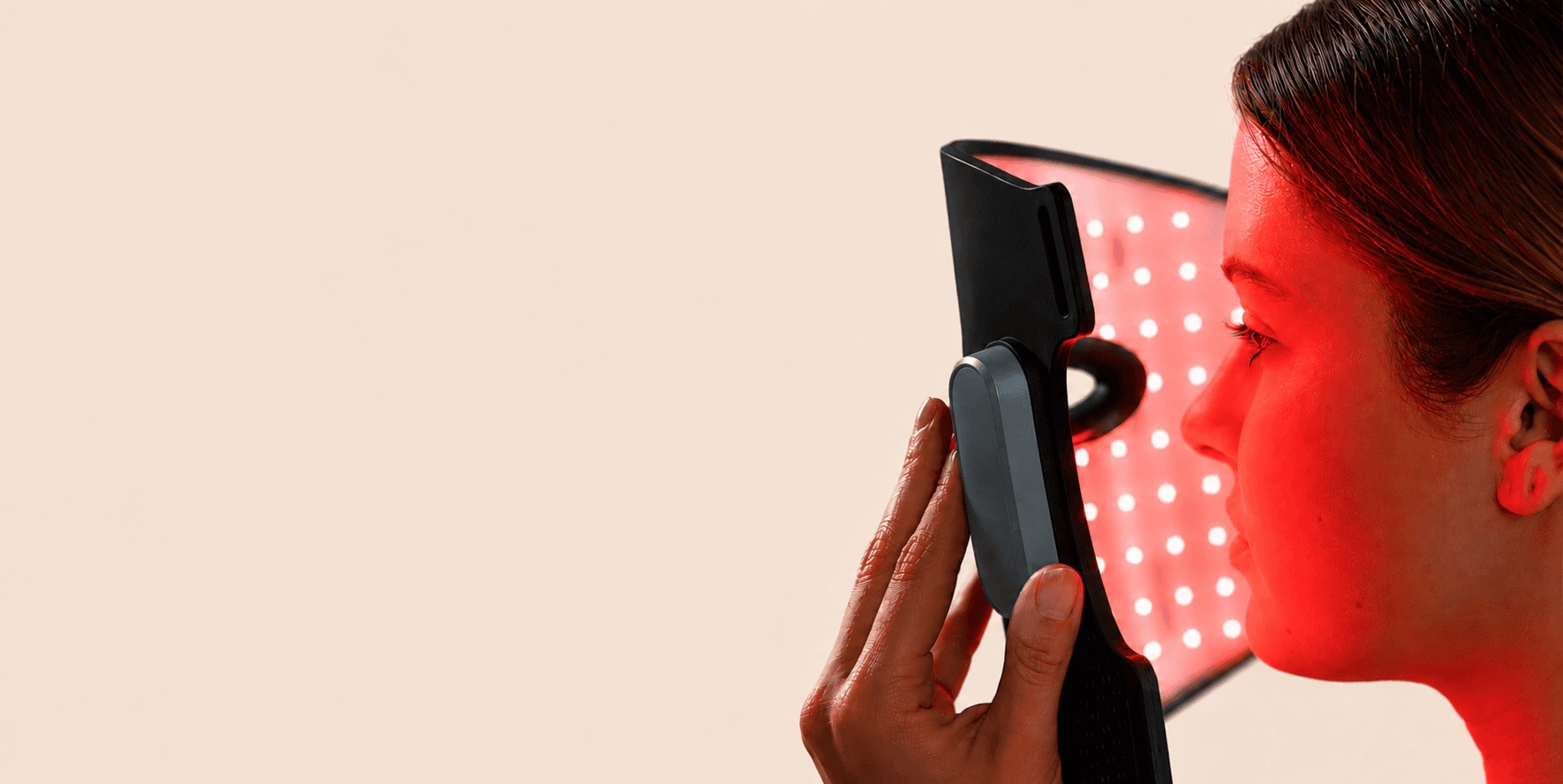
Red light (630 nm) stimulates collagen production and reduces wrinkles — studies show a reduction in wrinkle depth of up to 30–38%. The most extensively researched LED wavelength for anti-ageing.
- Red light (630 nm) stimulates collagen and elastin in the deeper layers of the skin
- In studies: 30–38% reduction in wrinkle depth after 8–12 weeks of consistent use
- Safe, UV-free, suitable for almost all skin types
- 3–5 sessions of 15 minutes per week are enough to see visible results
- Can be used at home with an LED mask — no clinic visit required
There are hundreds of ways to spend money on your skin. Most products promise more than they deliver. Red LED light therapy is different — not because it’s a new idea, but precisely because it has been researched for decades. Dermatologists use it. Astronauts used it. And now you can use the same technology at home, for a fraction of the price of a clinic treatment.
In this article, we explain exactly what red light does to your skin, what results you can expect, and how to use it effectively. No exaggerated claims — just what the science says.
What is red LED light therapy?
Red LED light therapy uses gentle, non-thermal light waves around 630 nanometres to activate skin cells. The light penetrates the epidermis, reaching the dermis — the layer where collagen and elastin are produced.
The principle is called photobiomodulation: light as a biological stimulus for your cells. Just as plants grow in response to light, your skin cells react to specific wavelengths. At 630 nm, this reaction has been most extensively researched and is best documented.
- No UV light — no risk of burns or DNA damage
- Non-invasive — no needles, no procedures, no recovery time
- Non-thermal — you’ll feel nothing more than a pleasant warmth, no burning sensation
- Suitable for virtually all skin types, including sensitive skin
How does it work at a molecular level?
Red light at 630 nm is absorbed by cytochrome c oxidase: an enzyme found in the mitochondria of your skin cells. This is the powerhouse of every cell. As more light is absorbed, the mitochondria work more efficiently and produce more ATP (cellular energy).
More ATP means that cells recover faster, produce more collagen and function better. At the same time, red light inhibits the production of pro-inflammatory cytokines — molecules that cause inflammation. Two effects in one treatment: building and soothing.
Red light penetrates up to 2–3 mm deep into the skin — deep enough to reach fibroblasts, the cells that produce collagen. Near-infrared (850 nm) penetrates even deeper; the two complement each other.
The proven benefits at a glance
1. Increased collagen and elastin
Red light activates fibroblasts and stimulates the production of collagen types I and III. These are the building blocks of firm, elastic skin. Clinical studies measured an average 30–38% reduction in wrinkle depth after 8–12 weeks of consistent use.
2. Fewer fine lines and wrinkles
Increased collagen and improved blood circulation make the skin thicker and firmer. Fine lines around the eyes, mouth and forehead become softer. The skin takes on a plumper, more youthful appearance without the need for surgery.
3. Supports recovery
Red light supports cell renewal and the skin’s natural ability to repair itself. It is therefore an excellent choice for supporting the skin after, for example, a peel. Your skin will look fresh and radiant more quickly.
4. Less visible redness and sensitivity
The soothing effect of red light helps to reduce persistent redness, sensitivity and irritation. Skin that tends to look red or feel sensitive often feels calmer after just a few weeks.
5. Improved skin texture and radiance
Improved blood circulation and faster cell renewal result in a more even skin tone and greater radiance. Your skin looks fresher — without the need for make-up.
Who is red LED light therapy suitable for?
Red light therapy is one of the most versatile skin treatments. It is effective for a wide range of skin concerns and suitable for almost all skin types.
- You want to reduce wrinkles and fine lines (anti-ageing)
- Your skin has less elasticity than it used to
- You are recovering from a skin treatment (peel, laser)
- Your skin is dry, dull or lacklustre
- You have chronic mild redness or sensitive skin
- You want to slow down skin ageing before it becomes visible
Consult your GP or a dermatologist if you’re taking light-sensitive medication, have an active skin condition or are pregnant.
How to get the most out of red LED light at home
Consistent use is the key. Red light therapy works cumulatively — each session builds on the previous one. Do not skip sessions in the first few weeks.
Step-by-step routine
- Cleansing: remove make-up and sunscreen. Clean skin allows the light to penetrate better.
- Optional serum: hyaluronic acid or a soothing serum can be applied before the session. Do not use retinol or vitamin C immediately beforehand — these can increase sensitivity.
- Apply the mask: select the red mode, 0–5 cm from your face.
- 15 minutes: close your eyes (or wear the included eye protection) and relax.
- Finish: apply a hydrating moisturiser. Always use SPF during the day — red light does not make your skin photosensitive, but UV protection remains essential for anti-ageing.
The optimal light dose is 5–9 J/cm² per session. The SolarMask is precisely calibrated for this.
What can you realistically expect?
Red light therapy is not Botox. It works gradually — but the changes are real and measurable. This is what most users report:
- ✓ Skin feels softer and better hydrated
- ✓ Fresher complexion, subtle glow
- ✓ Less tension in sensitive areas
- ✓ Finer lines appear less noticeable
- ✓ More even skin tone
- ✓ Increased firmness; skin feels plumper
- ✓ 30–38% reduction in wrinkle depth (clinically measured)
- ✓ Significantly improved skin texture
- ✓ Long-lasting results with continued use
Results vary from person to person. Factors such as age, skin type, consistency and lifestyle (sleep, diet, hydration) play a role.
Is red LED light therapy safe?
Yes. Red LED light at 630 nm has been extensively studied and is considered very safe when used normally. It contains no UV, is non-ionising and causes no thermal damage to the skin.
- No proven side effects when used correctly
- Safe for daily use (although 3–5 times a week is effective enough)
- The SolarMask LED Mask is CE-certified
- Mild temporary redness immediately after use is normal and subsides quickly
Frequently asked questions
How soon will I see results from red LED light therapy?
Most people notice softer and more radiant skin after 2–4 weeks. Measurable improvements in wrinkle depth and skin texture occur after 8–12 weeks of consistent use, with 3–5 sessions per week.
Can I combine red light with other skincare products?
Yes. Red light works well with hydrating serums and moisturisers. Do not use retinol or strong acids immediately before a session — it is better to schedule that for another day. Sunscreen is always recommended during the day.
How long should I continue with red light therapy?
For the build-up phase: 3–5 times a week for 6–8 weeks. After that, 1–2 sessions a week are sufficient as maintenance to retain the results.
Is one wavelength enough or do I need more?
Red light (630 nm) is effective for surface anti-ageing. For deeper repair and tissue regeneration, near-infrared (850 nm) works even deeper. The SolarMask mask has both — and three other wavelengths.
Which skin concerns does red light treat?
Red light is most effective for anti-ageing, fine lines, wrinkles, dullness, redness and accelerating skin repair. For acne, blue or purple light is a better choice.
Red LED light is not a quick fix — it is an investment in your skin that pays off with consistent use. The science is clear. The technology is available. And with the SolarMask LED Mask, you get not just red light, but all five clinically researched wavelengths in a single device — at a fair price.
Would you like to give this a go yourself?
The SolarMask LED Mask — all five wavelengths
Professional light therapy for home use. One mask, five treatments, 15 minutes per session. CE-certified.
View the mask →Before & after with this light
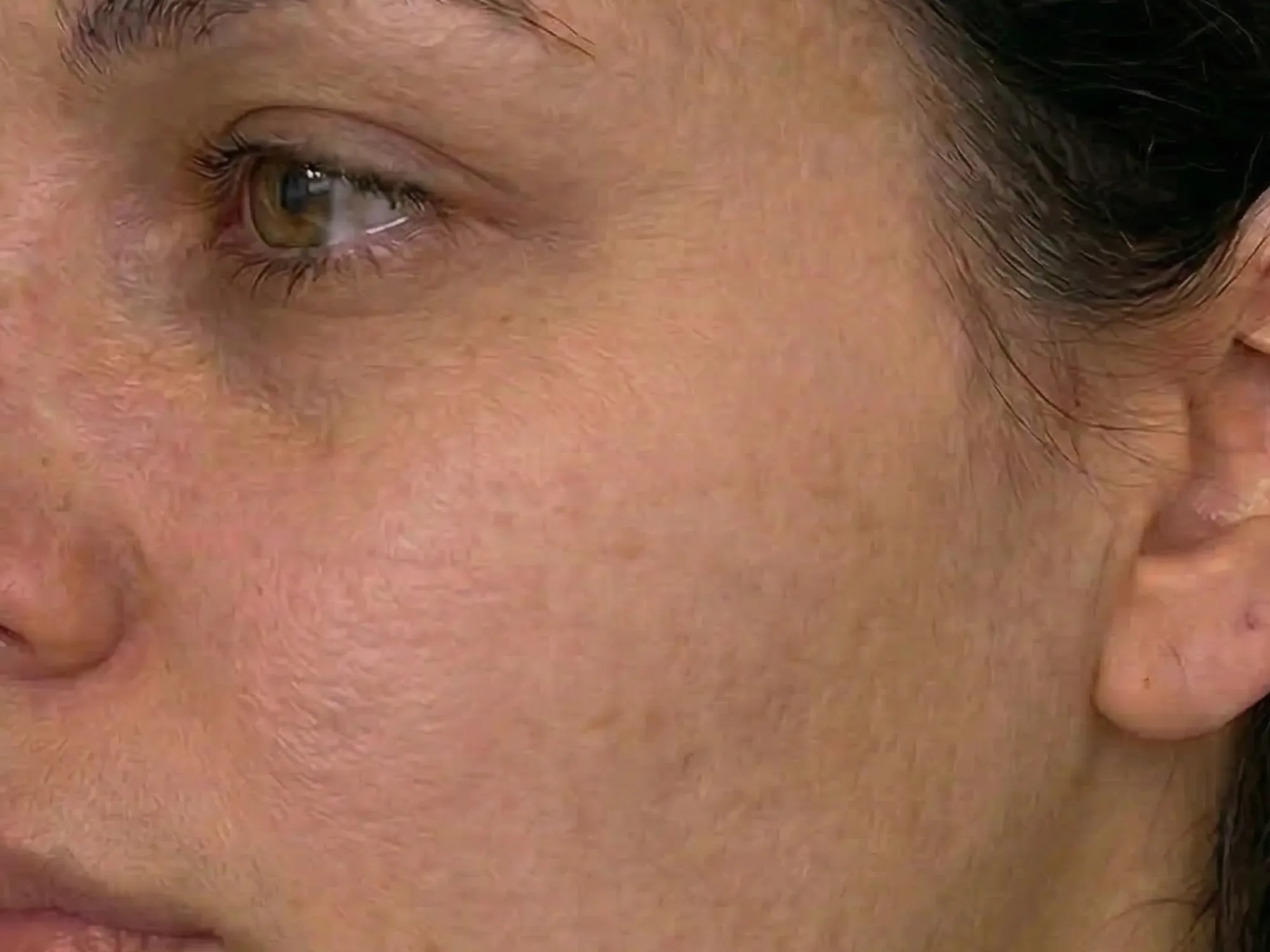
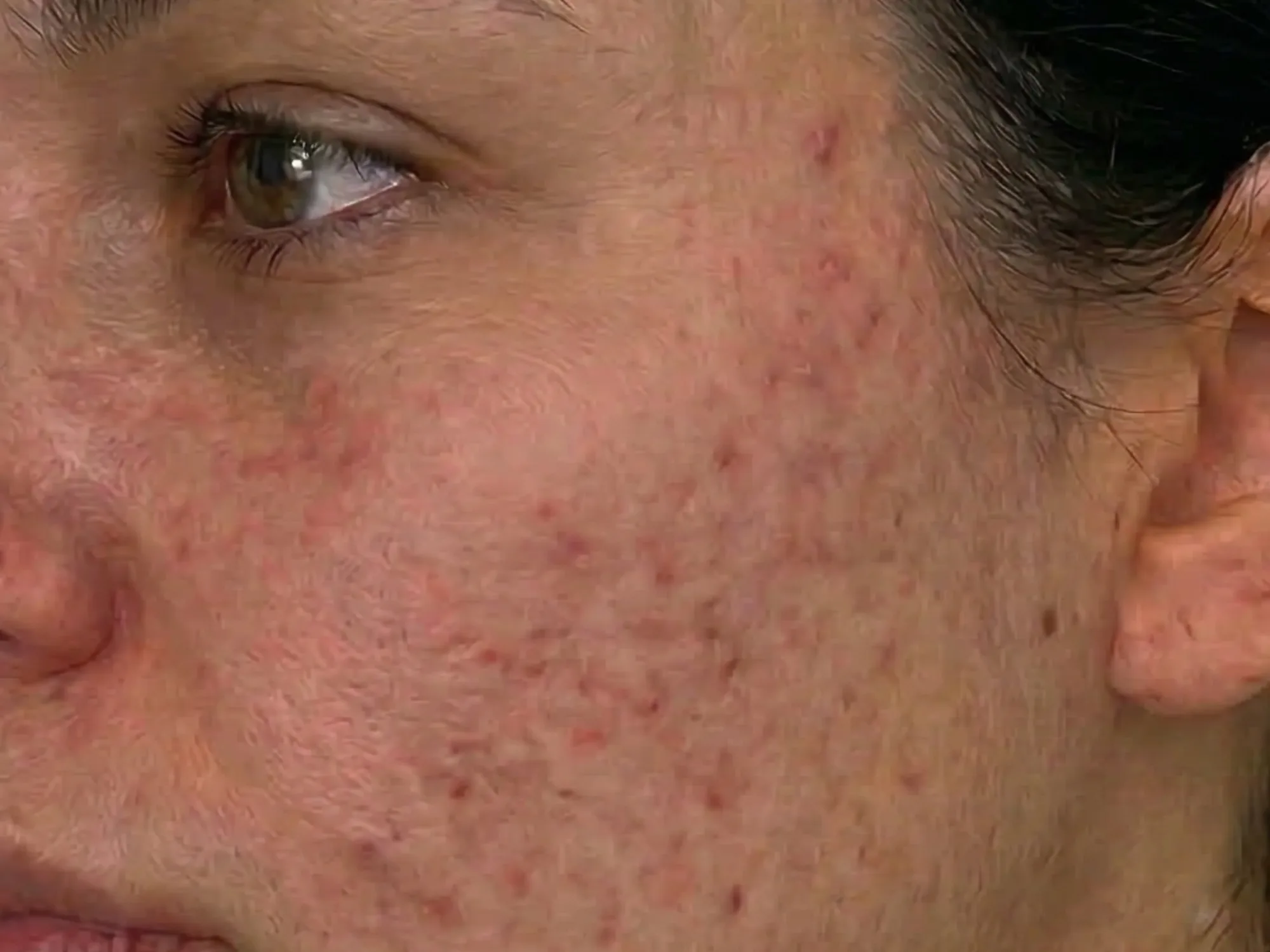
Drag the slider to see the difference.
Esmee writes about skincare, LED light therapy and the science behind SolarMask. Any questions? Please email contact@solarmask.eu.
 Recommended by Dr. Farah MacDonald — physician & skin specialist
Sources & scientific studies
- Wunsch A, Matuschka K (2014). A controlled trial to determine the efficacy of red and near-infrared light treatment in patient satisfaction, reduction of fine lines, wrinkles, skin roughness, and intradermal collagen density increase. Photomedicine and Laser Surgery.
- Avci P et al. (2013). Low-level laser (light) therapy (LLLT) in skin: stimulating, healing, restoring. Seminars in Cutaneous Medicine and Surgery.
- Hamblin MR (2017). Mechanisms and mitochondrial redox signaling in photobiomodulation. Photochemistry and Photobiology.
- De Arruda Vidal C et al. (2020). LED phototherapy for facial rejuvenation. Journal of Cosmetic and Laser Therapy.
Medical disclaimer: This article is for informational purposes only and does not constitute medical advice. LED light therapy supports the skin but does not cure conditions; results vary from person to person. If you are pregnant, taking light-sensitive medication or have a skin condition, please consult your doctor first.